UnderAutomation
Une question ?

[email protected]

Contactez-nous
UnderAutomation
⌘Q
Customer Success Story

Stellantis: Unlocking Cobot Potential

Using software connectivity to standardize Universal Robots integration across global sites.
Stellantis logo
Industry
Automotive
Technology
Universal Robots
Scope
Global Group
Strategy
Perpetual License

How Stellantis Uses Software Connectivity to Unlock the Full Potential of Its Cobots with UnderAutomation SDK

Why software became a strategic decision for robotics

Stellantis operates in an industrial environment where flexibility, speed and consistency are critical. As the group expanded its use of collaborative robots from Universal Robots across production lines, pilot workshops and R&D sites, one challenge quickly emerged: cobots only deliver their full value when they are easily, reliably and sustainably connected to internal software systems.

This is why Stellantis decided to acquire a perpetual license of the UnderAutomation Universal Robots SDK. The goal was not to answer a single short-term need, but to establish a long-term software foundation that allows internal development teams to connect their own applications to Universal Robots cobots in a standardized and maintainable way.

By securing this SDK at group level, Stellantis ensures that its robotics strategy is not limited by integration complexity or fragmented tooling.

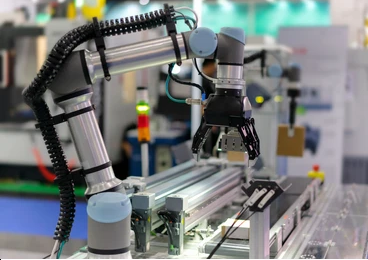
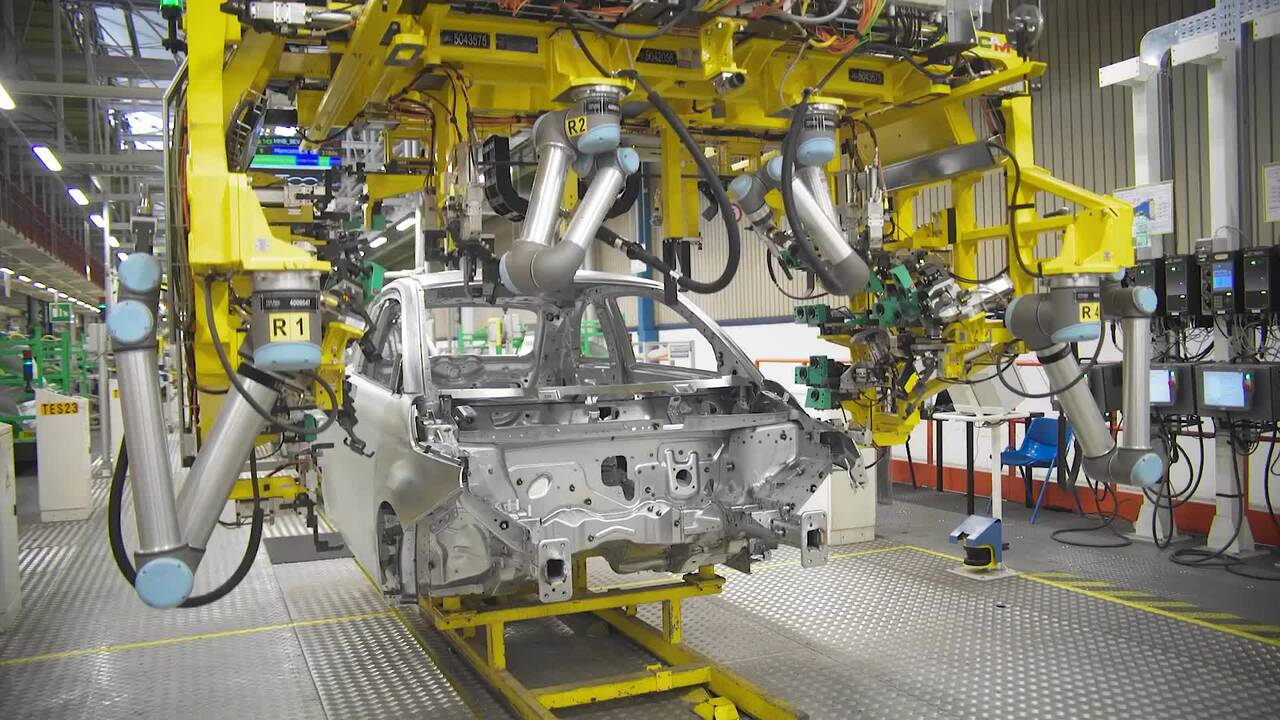
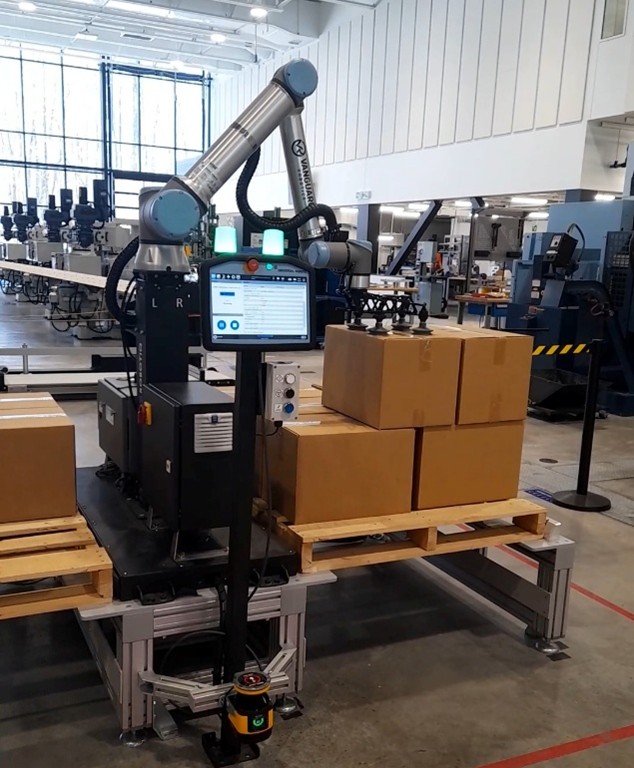
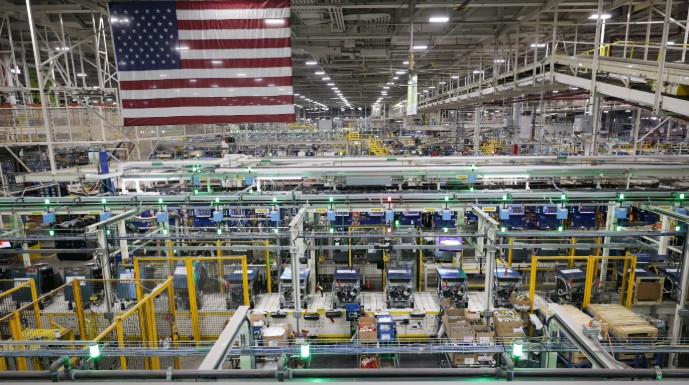
Stellantis cobots

Caption: Universal Robots cobots at Stellantis


Universal Robots at the heart of modern automotive production

Collaborative robots are now a familiar part of Stellantis’ industrial landscape. They are deployed alongside operators to improve ergonomics, support productivity and bring consistency to demanding automotive processes.

Universal Robots cobots are particularly well suited to Stellantis’ needs thanks to their flexibility, ease of redeployment and compatibility with evolving production environments. From pilot lines to series production, cobots help teams adapt quickly as vehicles, platforms and processes change.


Known use cases of cobots at Stellantis

Across its industrial footprint, Stellantis relies on Universal Robots cobots in several recurring scenarios.

Assembly assistance

Cobots assist operators during vehicle assembly, especially for tasks that are repetitive or physically demanding, such as:

  • Screwdriving and tightening operations
  • Handling parts in constrained or hard-to-reach areas
  • Supporting chassis and underbody assembly

Ergonomics and operator safety

Improving working conditions is a major driver for cobot adoption. Cobots help reduce physical strain by taking over:

  • Repetitive motions
  • Operations requiring sustained force or high torque
  • Tasks involving awkward postures

Pilot lines and industrialization

Cobots play a key role in pilot workshops and pre-series environments, where flexibility is essential. They allow teams to:

  • Validate new assembly processes
  • Adjust workflows quickly during industrialization
  • Transition smoothly from prototype builds to series production

Quality and process consistency

By automating sensitive or repetitive steps, cobots contribute to more consistent execution, supporting Stellantis’ quality objectives while keeping human expertise at the center of operations.


Connecting cobots to Stellantis’ digital ecosystem

As cobot deployments increased across sites, Stellantis needed a reliable way to integrate them into its broader digital ecosystem. Internal applications, engineering tools and industrial IT systems all need access to robot data and control interfaces.

The UnderAutomation Universal Robots SDK provides this missing link. It enables Stellantis’ internal software teams to connect directly to UR cobots without dealing with low-level communication details, making robotics integration faster and more consistent across projects and locations.

With a perpetual license, Stellantis benefits from:

  • A stable, long-term integration layer
  • Reuse of the same SDK across multiple sites and applications
  • Better alignment between automation teams and internal software development
  • Reduced dependency on custom, one-off robot interfaces

From isolated robots to connected assets

By combining collaborative robots with a dedicated software connectivity layer, Stellantis treats cobots not as isolated machines, but as fully connected industrial assets.

This approach supports a more agile factory model, where robots, applications and processes evolve together. It also enables internal teams to innovate faster, experiment safely and scale successful solutions across the group.


Conclusion

Stellantis’ decision to invest in a long-term software solution for Universal Robots connectivity reflects a broader vision of modern manufacturing. By equipping its internal teams with a robust SDK, the group ensures that its growing fleet of cobots can be integrated, monitored and leveraged consistently over time.

The result is a stronger link between robotics and software, supporting flexibility, efficiency and continuous improvement across Stellantis factories.


  • https://www.stellantis.com
  • https://www.universal-robots.com/case-stories/stellantis/

Réussites Client

Découvrez comment nos clients intègrent les solutions de UnderAutomation dans leurs projets industriels.

AbbVie
Biotech / Pharma

AbbVie: Automating High-throughput screening

How AbbVie Leverages Universal Robots SDK to Automate High-Concentration Protein Screening.

Intégrez facilement les robots Universal Robots, Fanuc, Yaskawa ou Staubli dans vos applications .NET, Python, LabVIEW ou Matlab

UnderAutomation
Contactez-nousLegal

© All rights reserved.