Nissan: Driving Efficiency at Scale
How Nissan Smyrna Leverages Fanuc Connectivity for intelligent vehicle assembly.

Automotive
FANUC
Smyrna, TN
6M sq ft
Driving Efficiency at Scale: How Nissan Smyrna Leverages Fanuc Connectivity
Nissan Motor Corporation needs little introduction. As one of the cornerstones of the global automotive industry, the Japanese manufacturer operates a vast network of production facilities across the globe, churning out millions of vehicles annually under the Nissan and Infiniti badges. However, in the high-stakes world of modern vehicle assembly, the company’s competitive edge increasingly depends on more than just the size of its footprint; it’s about the intelligence of its assembly lines.
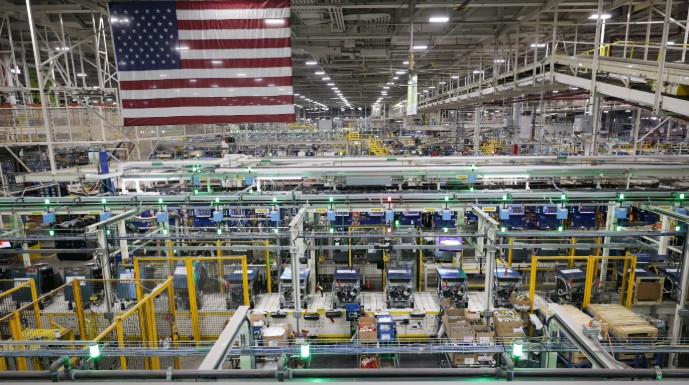
At the heart of Nissan’s North American operations is the Smyrna Assembly Plant in Tennessee. Spanning over 6 million square feet, this site is a powerhouse of productivity, responsible for key models like the Rogue and the Pathfinder. For a facility of this scale to maintain its rigorous output, every second of uptime is scrutinized. In recent years, the plant has undergone significant digital transformations, moving toward a more "intelligent" factory model where Fanuc industrial robots play a central role in everything from body-welding to precision sealing.

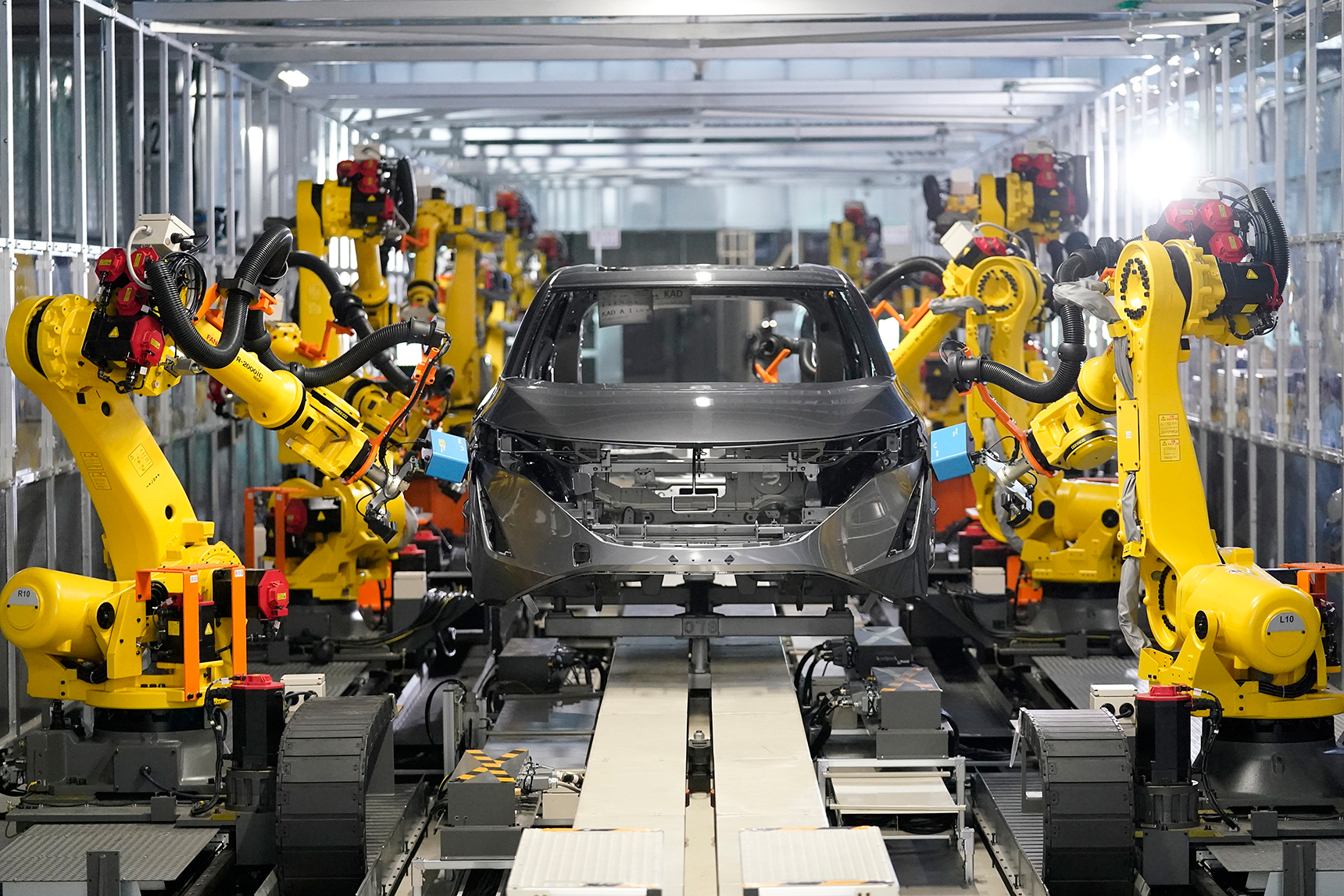
Caption: Fanuc robots at a Nissan production line
Moving Beyond the Hardware
While the sight of a Fanuc R-2000iB series robot lifting a vehicle chassis is impressive, the real innovation happens behind the scenes. For Nissan’s engineers, the challenge isn't just getting a robot to move, it's getting it to communicate.
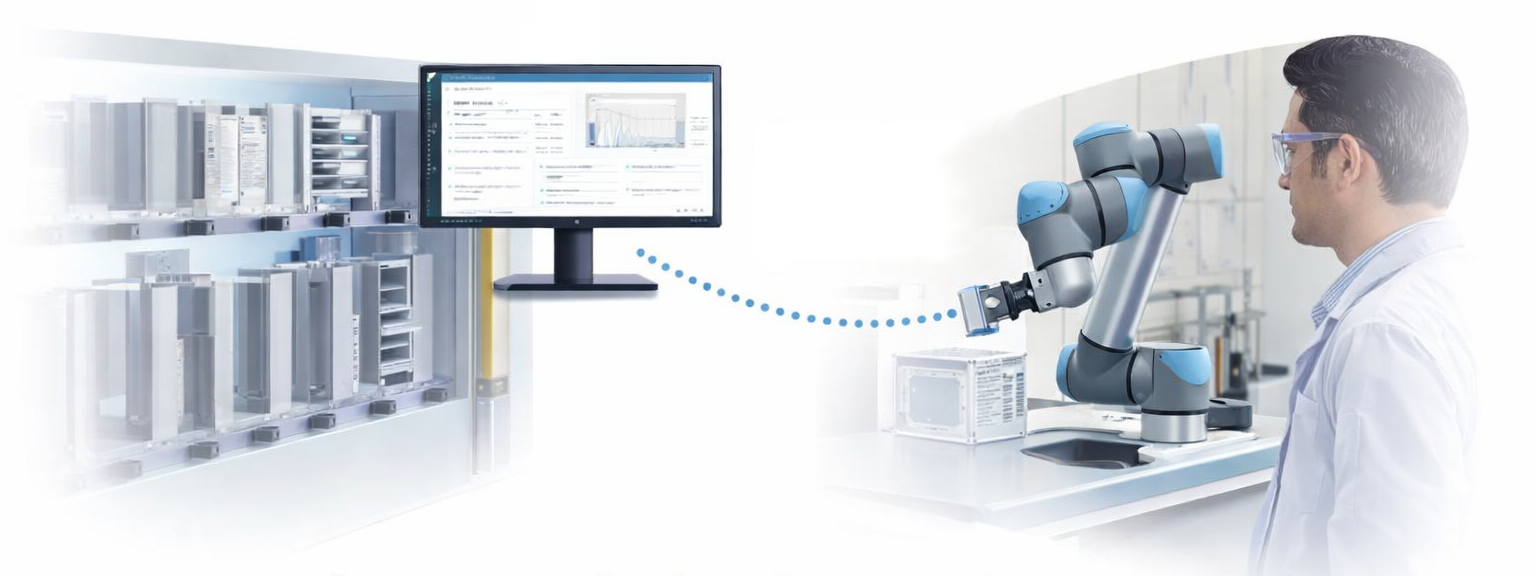
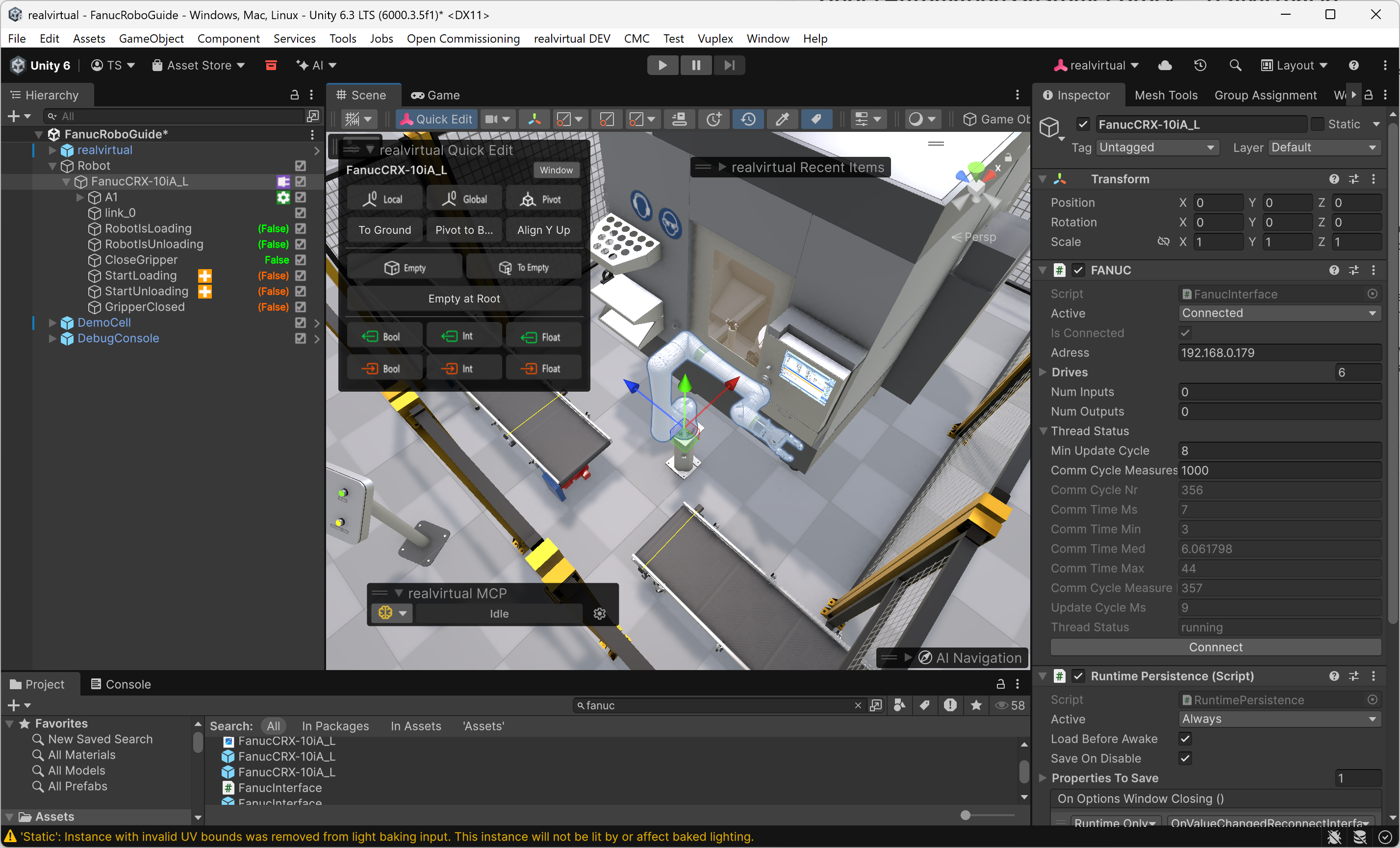
Integration into a high-speed production line requires a seamless flow of data between the robot controllers, PLCs, and high-level monitoring systems. This is where Fanuc SDKs (Software Development Kits) become the unsung heroes of the shop floor. By utilizing these enabling technologies, developers can create custom interfaces that talk directly to the robot’s core via protocols like SNPX , without needing to install complex, proprietary software on the controller itself.
Integration and Real-Time Communication
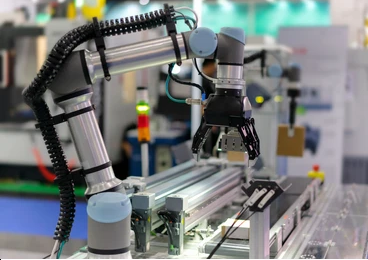
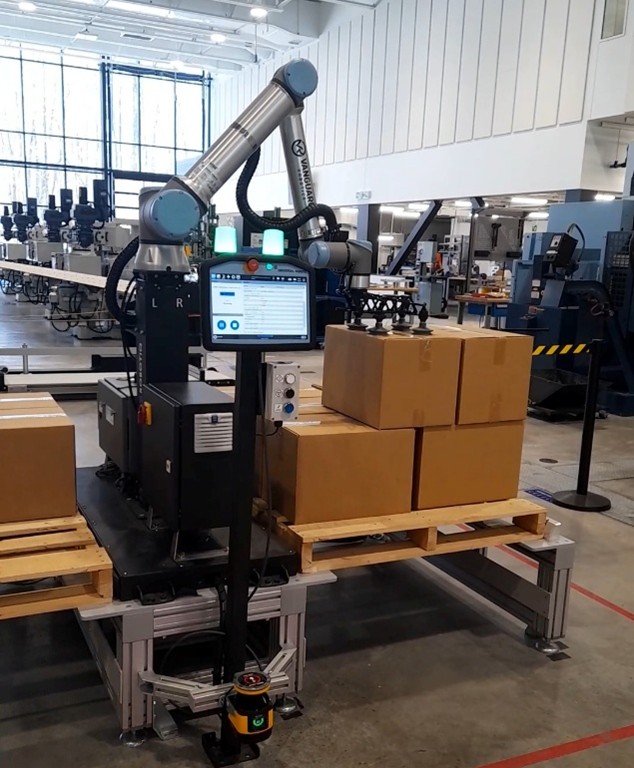
In the Smyrna plant, robots and collaborative robots (cobots) often work in close proximity to human operators and other automated machinery. Reliable communication is critical for safety and synchronization. By leveraging SDKs, Nissan’s integration partners can:
- Standardize Data Exchange: Pulling real-time joint positions, alarm codes, and I/O states into a centralized dashboard.
- Simplify Maintainability: Maintenance teams can diagnose issues remotely by reading internal variables through custom-built tools, reducing the time spent on the factory floor with a teach pendant.
- Enable Scalability: When a new cell is added to the line, using a consistent SDK-based communication layer allows for rapid deployment without rewriting the entire control logic.

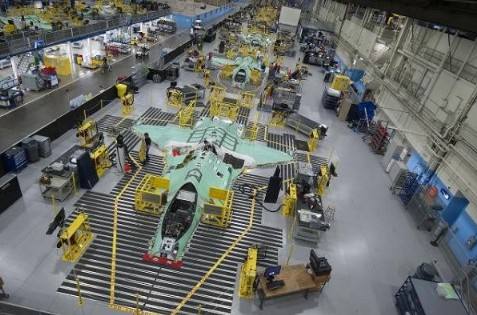
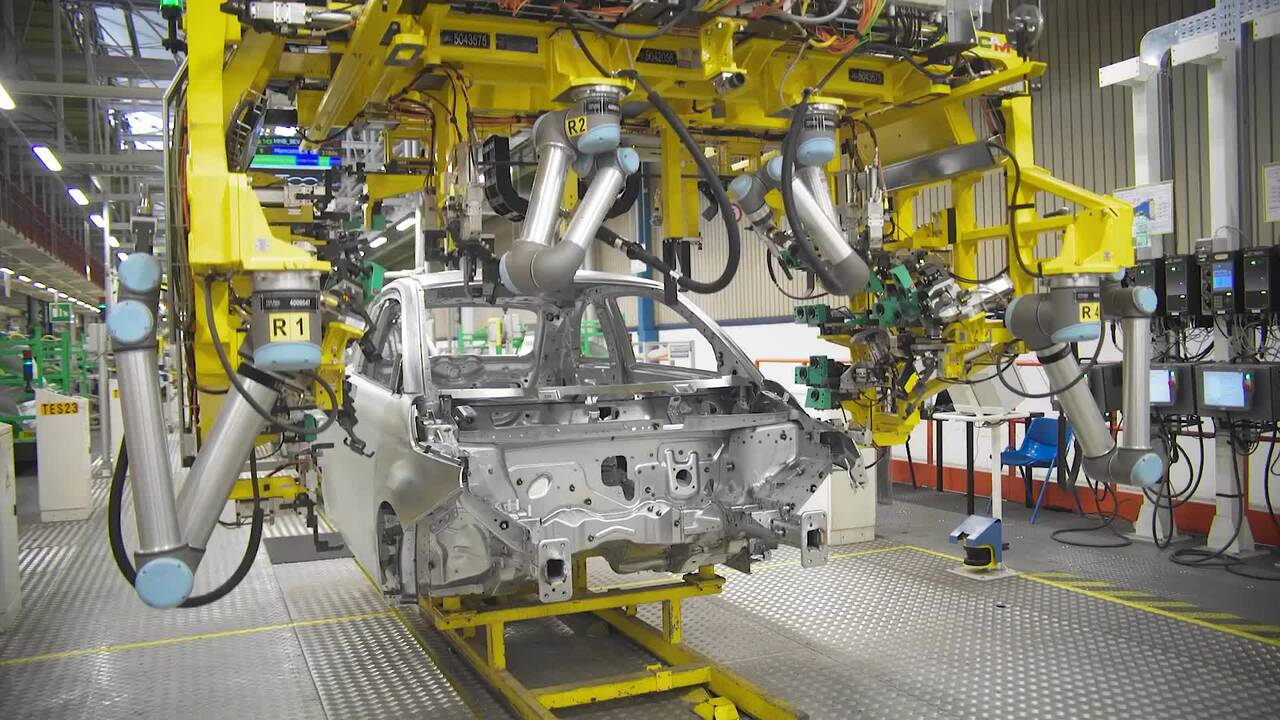
Caption: Fanuc solutions for the Automotive Industry
Reliability Through Connectivity
The move toward more open software architectures doesn't just help with the initial setup; it significantly impacts long-term reliability. At a site as large as Smyrna, a single hour of downtime can cost thousands in lost production.
Using UnderAutomation’s Fanuc SDKs, for instance, allows for the development of lightweight, PC-based applications that monitor robot health and performance metrics. These tools can predict mechanical wear or identify bottlenecks before they lead to a line stoppage. Because these SDKs interface with the native network protocols of the Fanuc controllers, they offer a "plug-and-play" experience that is both robust and flexible enough to adapt to the changing needs of automotive manufacturing.
Ultimately, Nissan’s success in Smyrna illustrates a broader trend in industrial automation: the robot is the muscle, but the software is the brain. By focusing on the connectivity and data-driven insights provided by modern SDKs, manufacturers are finding new ways to push the boundaries of what their production lines can achieve.
Useful Links
Kundenerfolgsgeschichten
Entdecken Sie, wie unsere Kunden UnderAutomation-Lösungen in ihre Industrieprojekte integrieren.