UnderAutomation
質問ですか?

[email protected]

お問い合わせ
UnderAutomation
⌘Q
Customer Success Story

Lockheed Martin: Flexible Aerospace Automation

Refining precision manufacturing and handling with collaborative robots.

Lockheed Martin logo
Industry
Aerospace / Defense
Technology
Universal Robots & FANUC
Site
Grand Prairie
Goal
Scalability

Lockheed Martin Builds Flexible Automation with Industrial Robotics SDKs

As one of the world’s largest aerospace and defense companies, Lockheed Martin operates complex industrial facilities where precision, repeatability and reliability are non-negotiable. Across several US sites, automation has become a key lever to sustain production rates while maintaining strict quality standards.

Public information, press releases and media coverage have repeatedly highlighted Lockheed Martin’s growing use of industrial robots and advanced manufacturing technologies. Among these sites, two stand out for their industrial activity and modernization efforts: Grand Prairie in Texas and Petaluma in California.

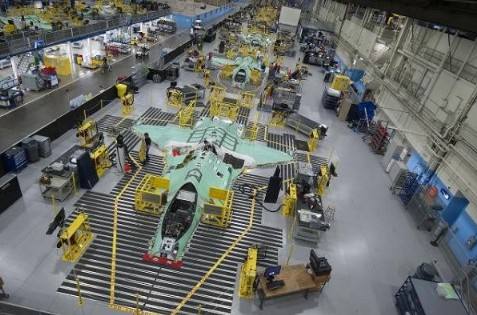
Air plane

Caption: Fanuc solutions for Automating Aerospace Processes with Robots.

Grand Prairie, Texas: Scaling Advanced Manufacturing

The Grand Prairie, TX site is a major hub for the Missiles and Fire Control business. In recent years, Lockheed Martin has publicly discussed investments in advanced manufacturing technologies at this location, including automation cells and collaborative robotics.

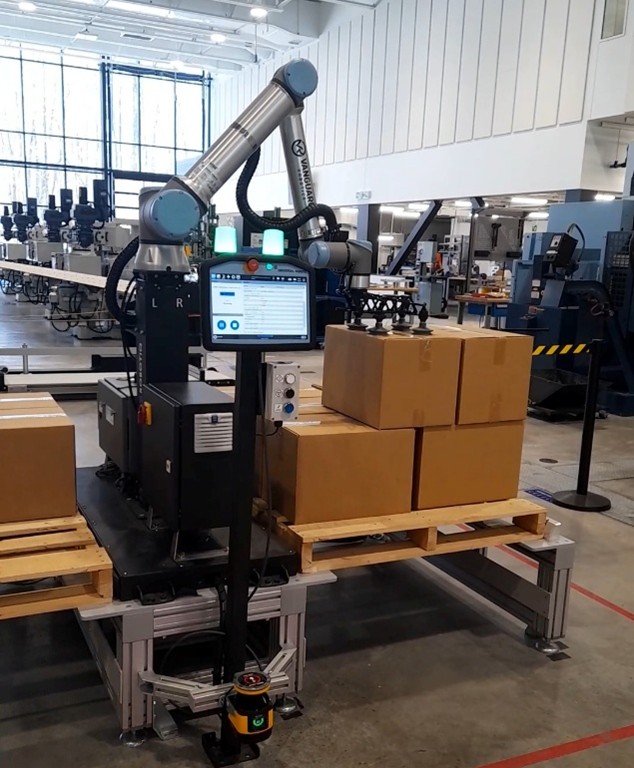
Within such an environment, robots and cobots are typically used for material handling, repetitive assembly operations, surface finishing or machine tending. Universal Robots and Fanuc CRX cobots are deployed in these mixed human-robot workspaces, where flexibility and safety matter as much as throughput.

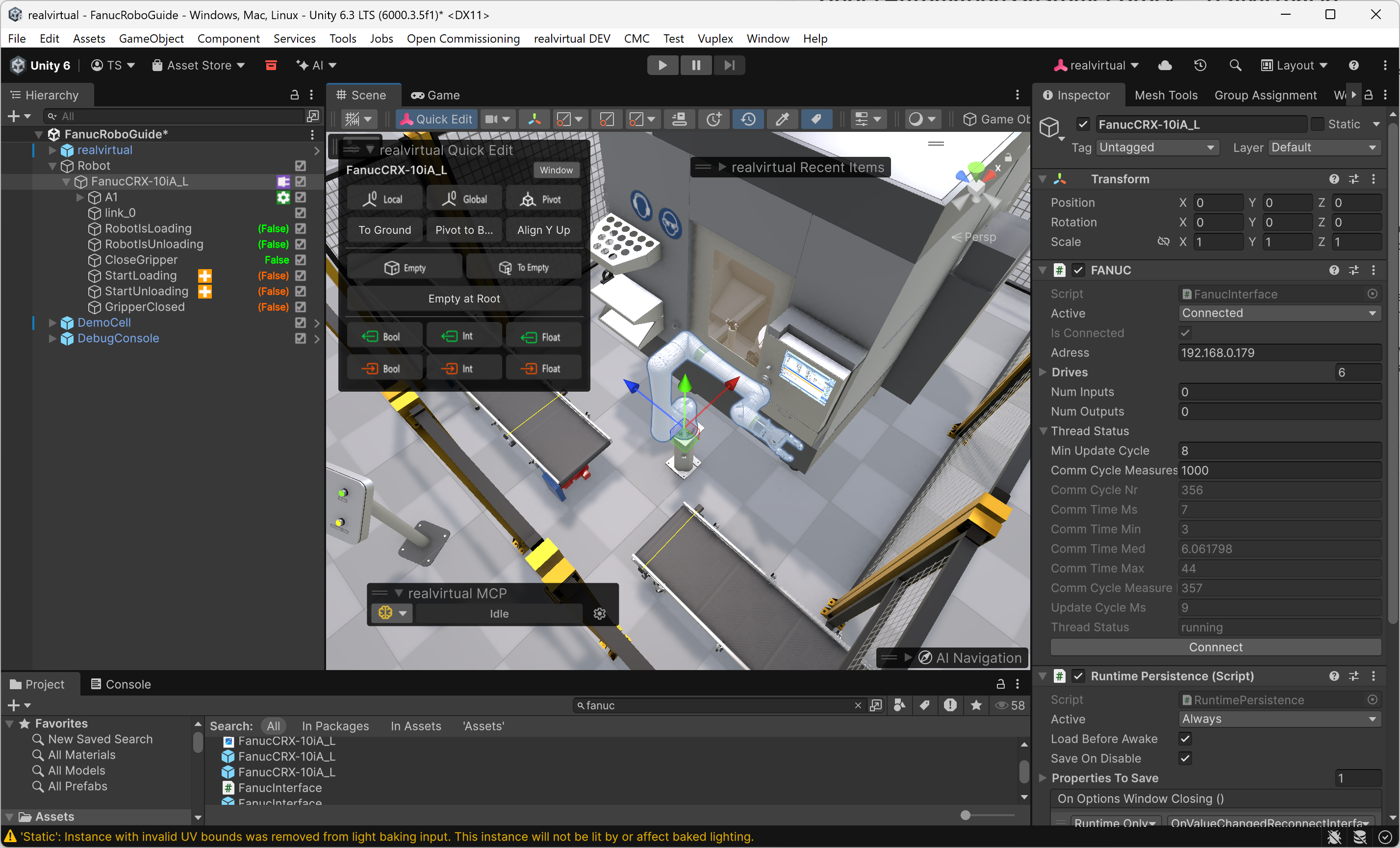
Using UnderAutomation SDKs, engineering teams can build software layers that manage robot motion, task sequencing and data exchange with higher-level manufacturing systems. The SDK approach makes it possible to adapt quickly to new product variants without deeply modifying robot controller programs.

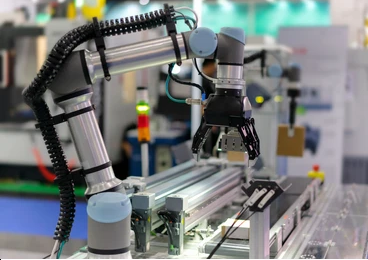
Universal Robots deburr system

Caption: A robotic deburr system using a Universal Robots collaborative robot to remove edges or burrs from machined metal parts.

Sources


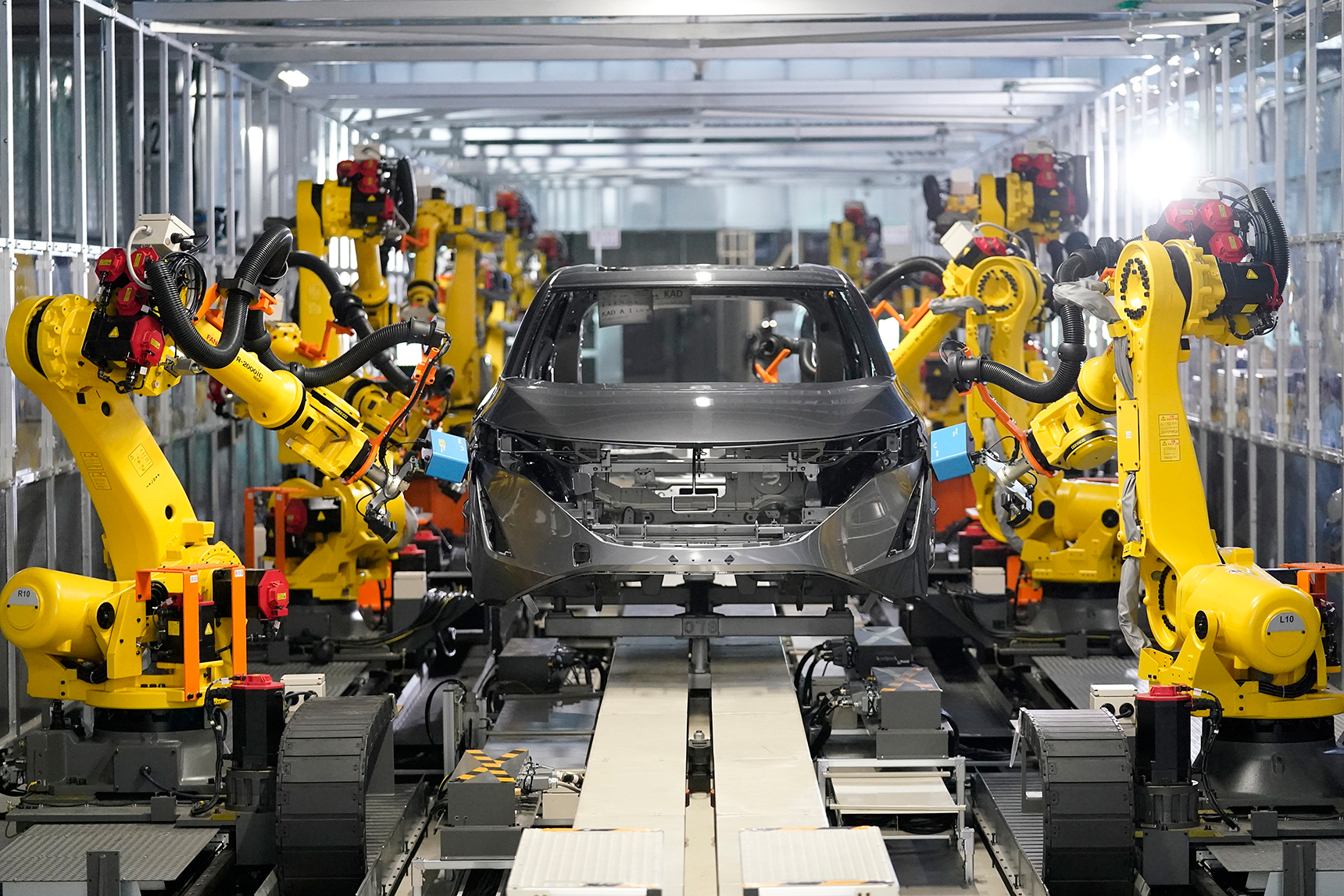
Fanuc CRX cobots

Caption: Fanuc CRX cobots at Lockheed Martin's AMT center in Grand Prairie, TX.

Sources

Petaluma, California: Integration and Interoperability

The Petaluma, CA facility operates in a different industrial context, closer to electronics and system manufacturing. While specific robotic applications are not publicly detailed, industrial robots are commonly used in these environments for precise assembly, testing support and handling of sensitive components.

Here, FANUC robots are often part of the automation landscape. FANUC SDKs provide programmatic access to robot states, I/O, registers and execution control. This enables external applications to supervise production, synchronize robots with conveyors or test equipment, and collect operational data.

The real value appears when multiple robot brands must coexist. SDKs allow engineers to abstract hardware differences and create a unified software layer across Universal Robots and FANUC systems. That interoperability is essential in large industrial groups where standardization is a constant challenge.

SDKs as Enablers, Not Just Tools

Rather than focusing on individual robots, Lockheed Martin’s approach reflects a broader industrial trend: software is what unlocks scalability. Robotics SDKs play a central role in reliability, maintainability and long-term evolution of automation systems.

By relying on stable, well documented SDKs, development teams can:

  • Integrate robots into production lines faster
  • Maintain code over long program lifecycles
  • Scale automation without rewriting everything
  • Reduce dependency on low-level controller logic

This is especially relevant in aerospace and defense manufacturing, where production systems must remain operational for years, sometimes decades.

A Practical Customer Story

Lockheed Martin’s use of Universal Robots and FANUC SDKs is not about experimental automation or marketing demos. It reflects real industrial needs in high-value manufacturing environments. Even without disclosing exact applications, the message is clear: large, demanding organizations trust SDK-based robot integration to support their production.

For companies developing industrial automation software, this kind of customer story matters. It shows that SDKs are no longer optional accessories, they are core building blocks of modern manufacturing systems.

お客様の成功事例

当社のお客様が UnderAutomation ソリューションを産業プロジェクトにどのように統合しているかをご覧ください。
AbbVie
Biotech / Pharma

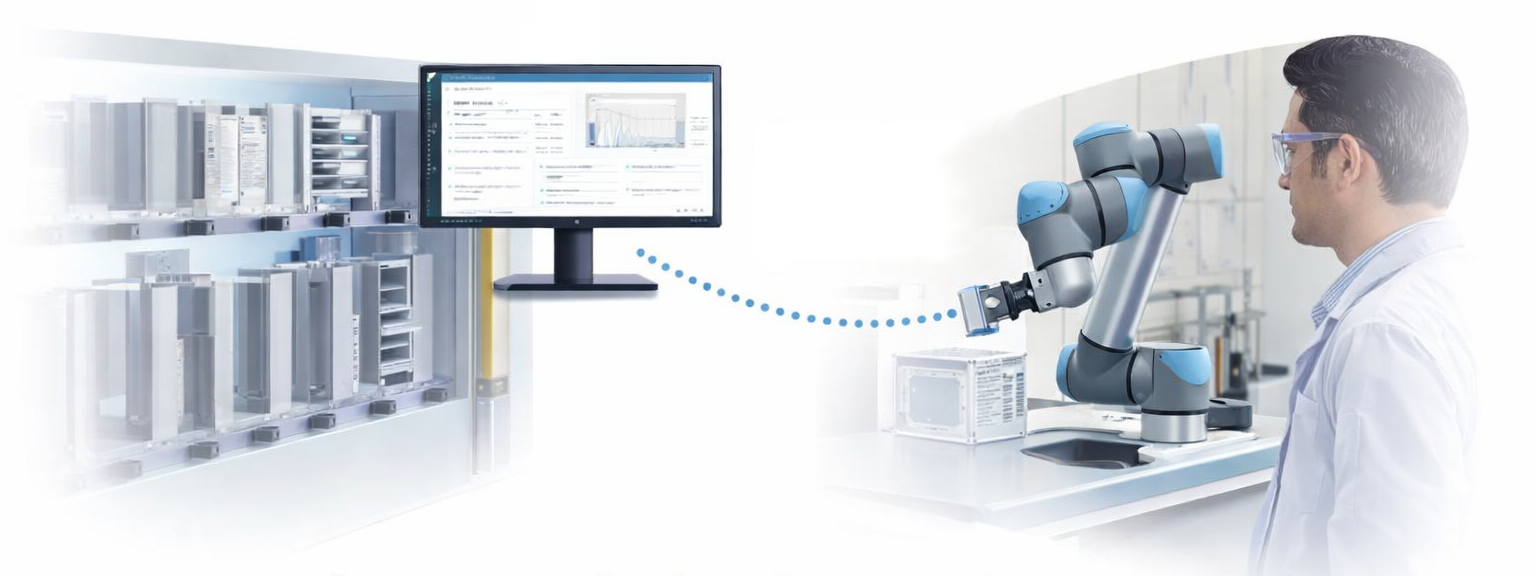
AbbVie: Automating High-throughput screening

How AbbVie Leverages Universal Robots SDK to Automate High-Concentration Protein Screening.

Universal Robots、Fanuc、Yaskawa、Staubli ロボットを .NET、Python、LabVIEW、または Matlab アプリケーションに簡単に統合

UnderAutomation
お問い合わせLegal

© All rights reserved.